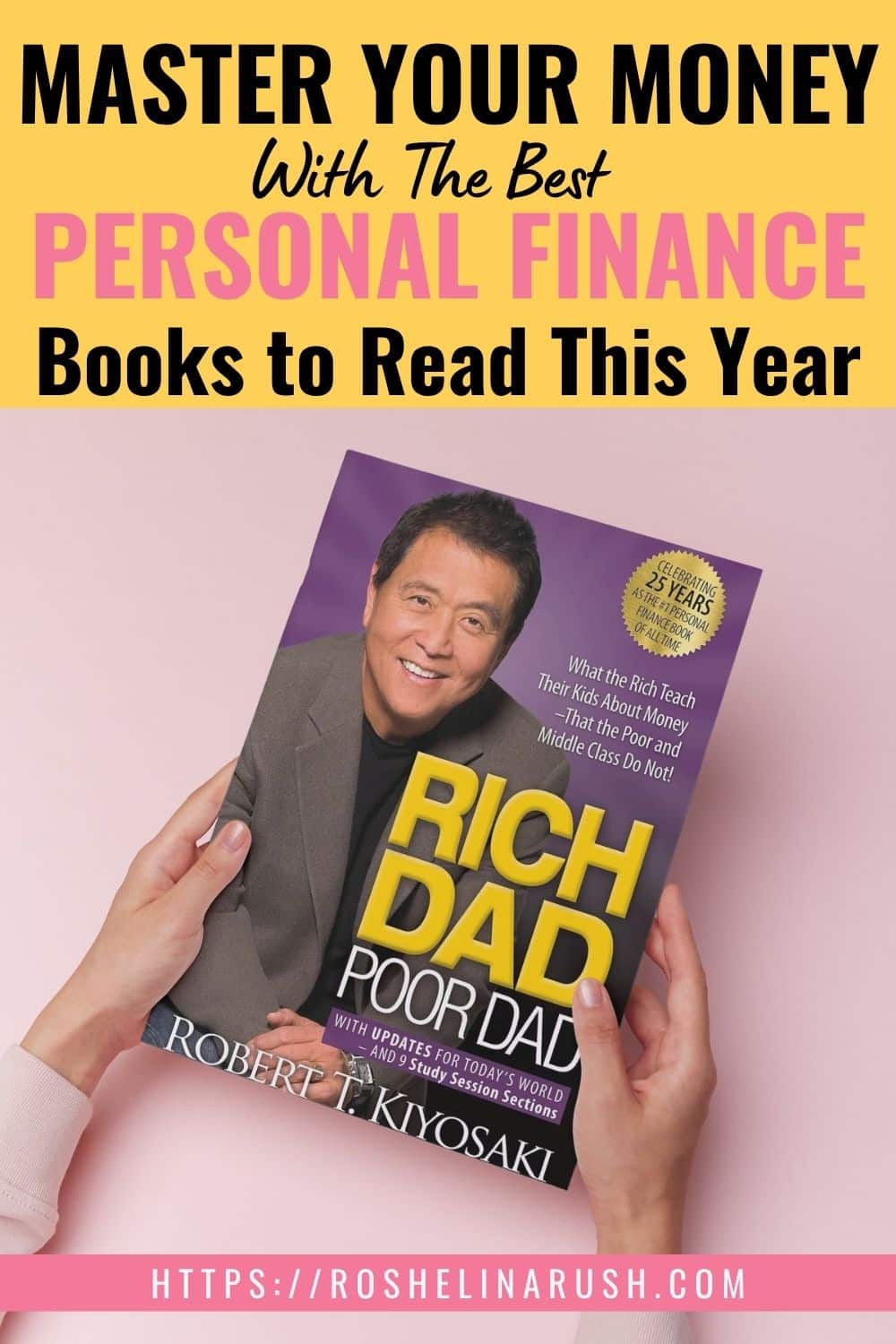
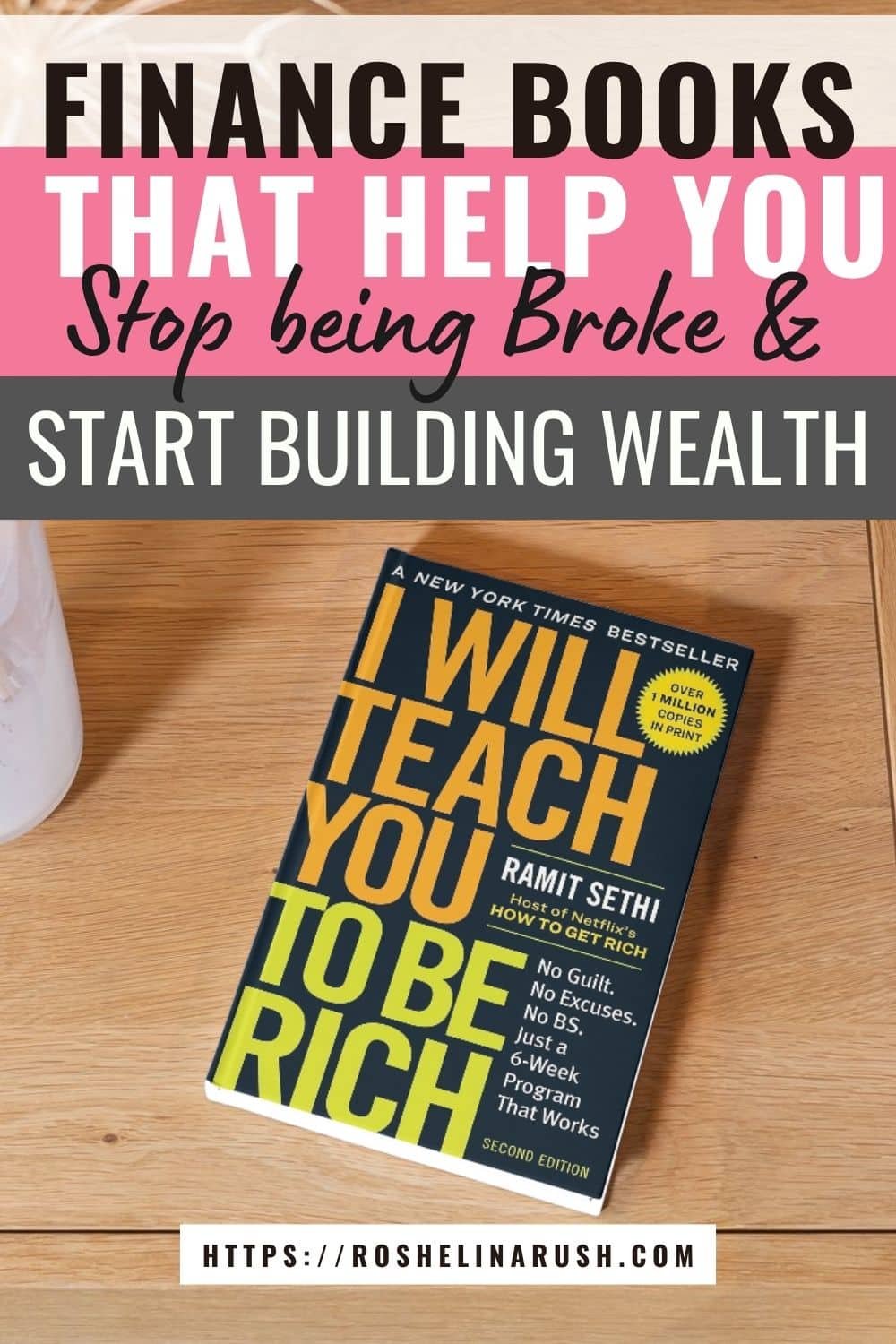
This article is about the best books for personal finance to help you level up your money and mindset.
If you’ve ever wondered why your paycheck disappears faster than your morning coffee, trust me — I’ve been there. For years, I worked hard, showed up on time, and still ended up broke by week two. I’d tell myself, “Next month will be better.” But next month looked a lot like the last one.
It wasn’t until I decided to look at where my money was really going that everything changed. Budgeting apps, spreadsheets, late-night YouTube videos — I tried them all. But the real turning point came when I started reading personal finance books.
Those books opened my eyes. They helped me understand why I was living paycheck to paycheck, how to actually build wealth, and what it means to live a “rich life” (spoiler: it’s not about fancy cars).
So, if you’re tired of financial stress and ready to take control, these are the best books for personal finance — the ones that will shift your mindset, teach you how to grow your money, and help you finally feel confident about your finances.
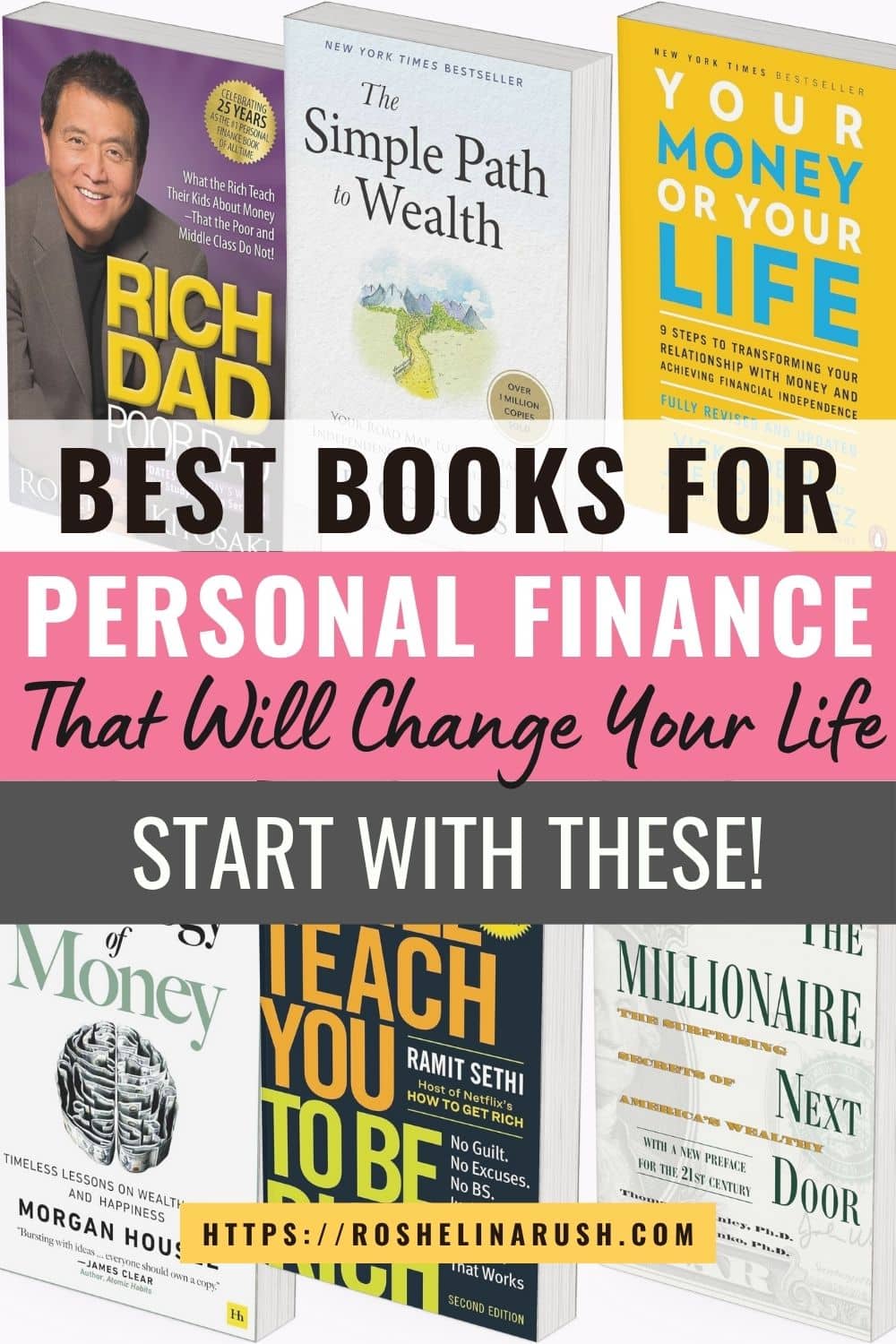
BEST BOOKS FOR PERSONAL FINANCE
This post may contain affiliate links. I may earn a small commission at no extra cost to you. See our disclaimer page for more information.
Why Reading Personal Finance Books Actually Works
Let’s be honest: money can feel intimidating. Most of us weren’t taught how to handle it — not in school, not at home. According to NerdWallet, 79% of Americans feel intimidated by at least one money topic.
A great personal finance book breaks that cycle.
Here’s what reading these books does for you:
These books simplify investing, budgeting, and retirement planning into lessons that are easy to understand — and more importantly, easy to apply.
Whether your goal is to stop overspending, start investing, or finally build that emergency fund, one of these books will be the wake-up call you need.
Top 15 Best Books for Personal Finance You Need to Read
1. Rich Dad Poor Dad by Robert T. Kiyosaki
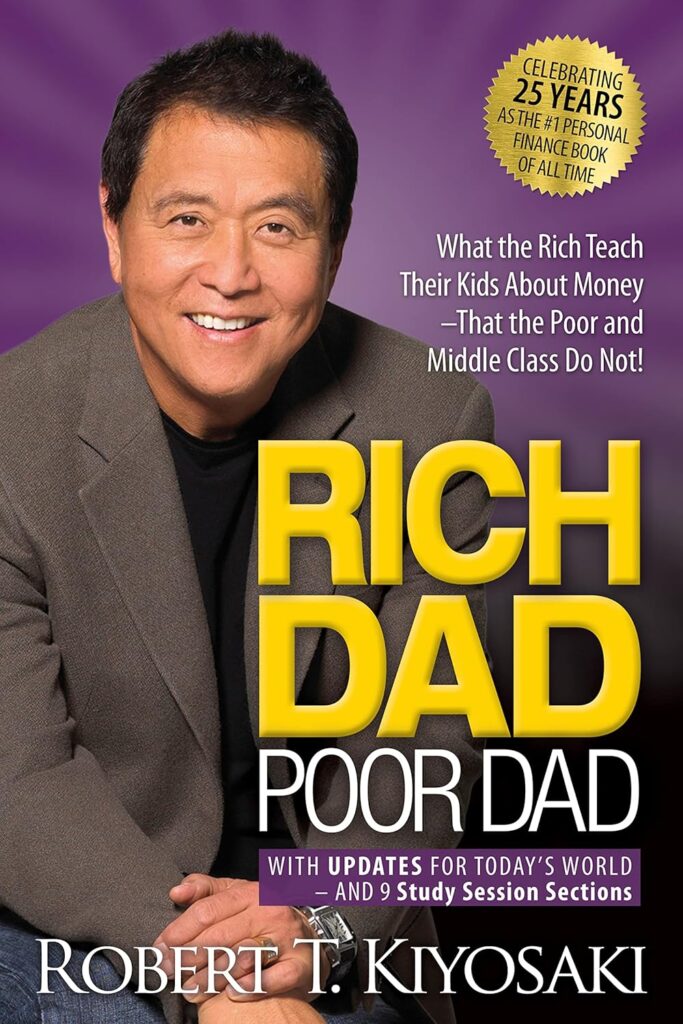
Let’s start with the classic. This is the book that made millions of people see money differently — including me.
If there’s one personal finance book that completely flipped my mindset, it’s this one. Rich Dad, Poor Dad breaks down how the wealthy think differently about work, real estate, and wealth building.
Kiyosaki breaks down the difference between working for money and having money work for you. He explains how the rich focus on building assets while the poor chase paychecks.
Why you should read it: It’ll completely change the way you think about wealth and independence.
Kiyosaki’s lessons on real estate investing, passive income, and asset-building make this a book for anyone who wants to escape the 9–5 cycle. It’s a timeless classic that helps you understand money the way rich people do—strategically, not emotionally.
2. The Psychology of Money by Morgan Housel
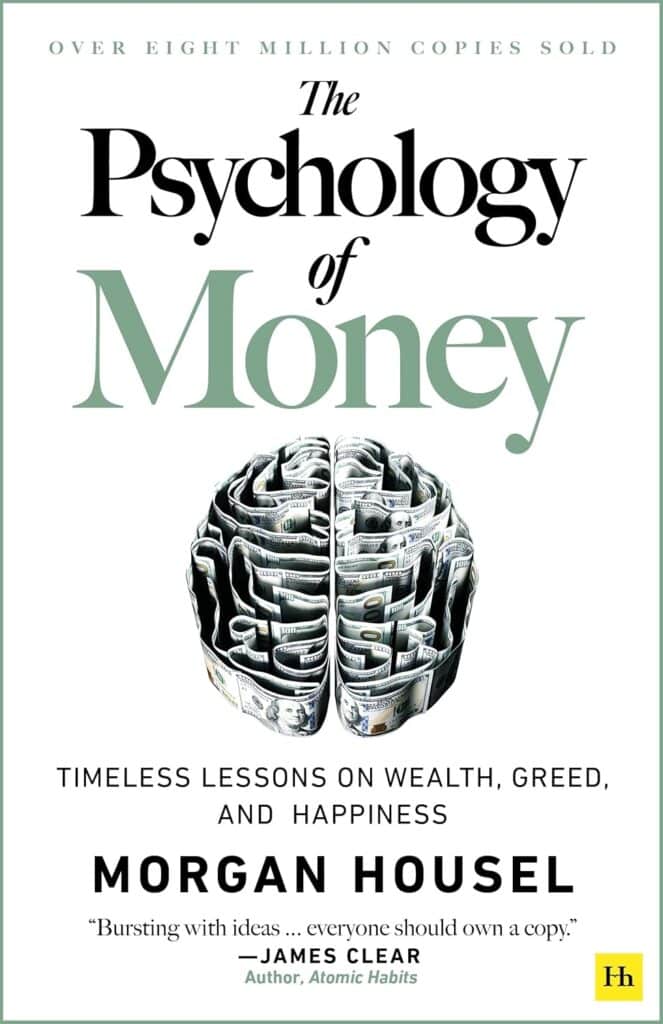
This one’s a must-read if you’ve ever made an emotional purchase (guilty).
Housel doesn’t just talk about finance — he talks about why we make money mistakes. He explores how fear, luck, and comparison keep us broke even when we know better.
If you’ve ever wondered why some people make smart financial decisions while others self-sabotage, this book is the answer.
Morgan Housel book breaks down how our emotions, upbringing, and experiences shape our relationship with money — in a way that’s both insightful and easy to read.
His explanation of behavior versus logic shows why financial success isn’t about intelligence; it’s about self-awareness and patience.
Each chapter reads like a story, helping you see money through a more human lens.
Key takeaway: Managing your money has more to do with your behavior than your math skills.
3. I Will Teach You to Be Rich by Ramit Sethi
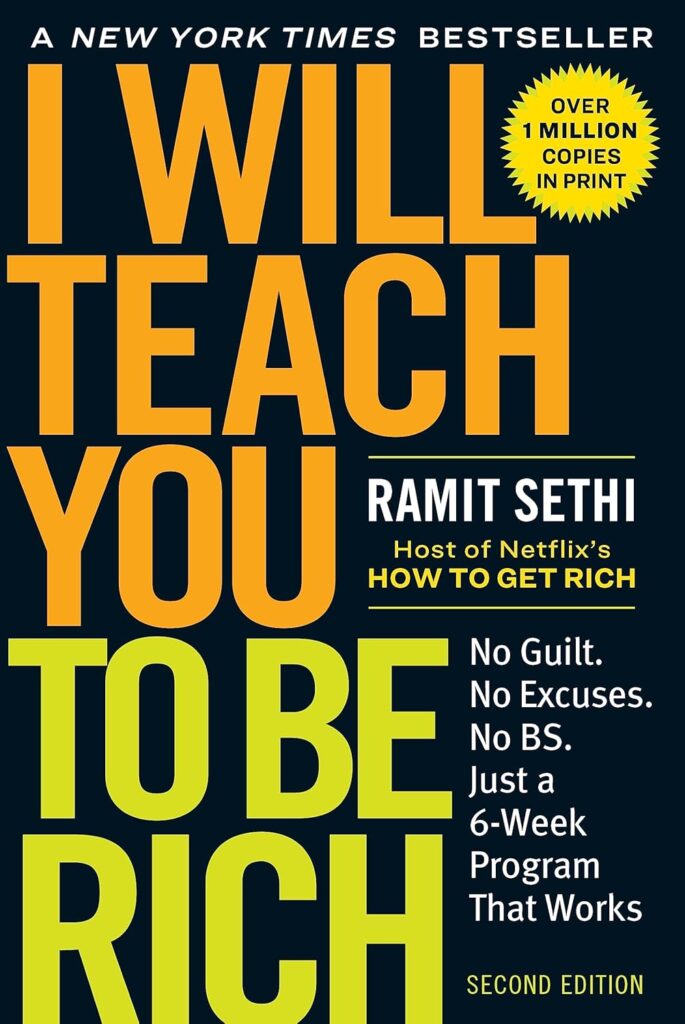
This book feels like your financially-savvy friend is sitting you down with coffee and saying, “Here’s how to fix your money, step by step.”
Ramit teaches you how to automate your finances, pay off debt, and build a life you actually enjoy — not one that’s full of guilt and spreadsheets.
Why you’ll love it: It’s practical, modern, and perfect if you want to feel in control of your money without obsessing over every penny.
What I love most? He shows you how to enjoy your money guilt-free while still planning for the future. You might be young but trust me, retirement planning is important to thing about at a young age.
Whether you’re saving for travel, buying a house, or building your first investment account, this personal finance book gives you step-by-step guidance that feels approachable.
💡 Related: Learn how to plan smarter with Financial Planning Tips.
4. The Simple Path to Wealth by JL Collins
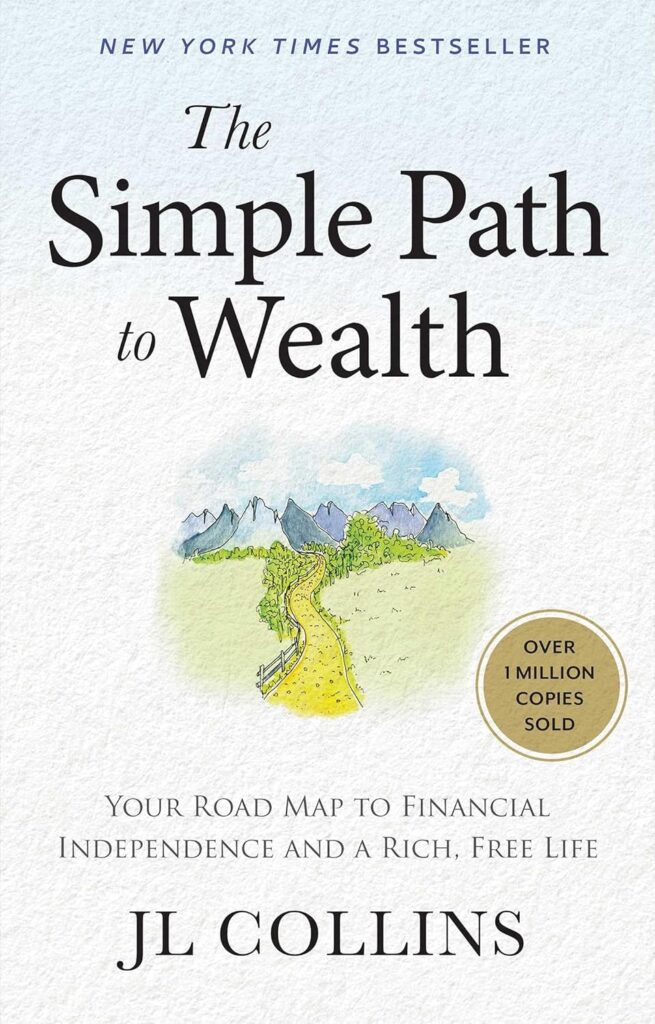
If investing feels confusing or scary, this book will be your new best friend.
Collins explains the stock market, retirement planning, and investing strategies in plain English. His “simple path” is all about focusing on low-cost index funds and letting time do the work.
Big takeaway: You don’t have to be a Wall Street analyst to build wealth — you just need patience and a plan.
JL Collins originally wrote this for his daughter, which makes it heartfelt and incredibly clear.
This easy-to-read guide walks you through index funds, income tax basics, and simple investing strategies that anyone can follow.
What I love most is how straightforward it is — no hype, no overcomplication, just a roadmap for financial independence.
It’s also one of the most practical resources for anyone intimidated by the stock market.
5. The Millionaire Next Door by Thomas J. Stanley & William D. Danko
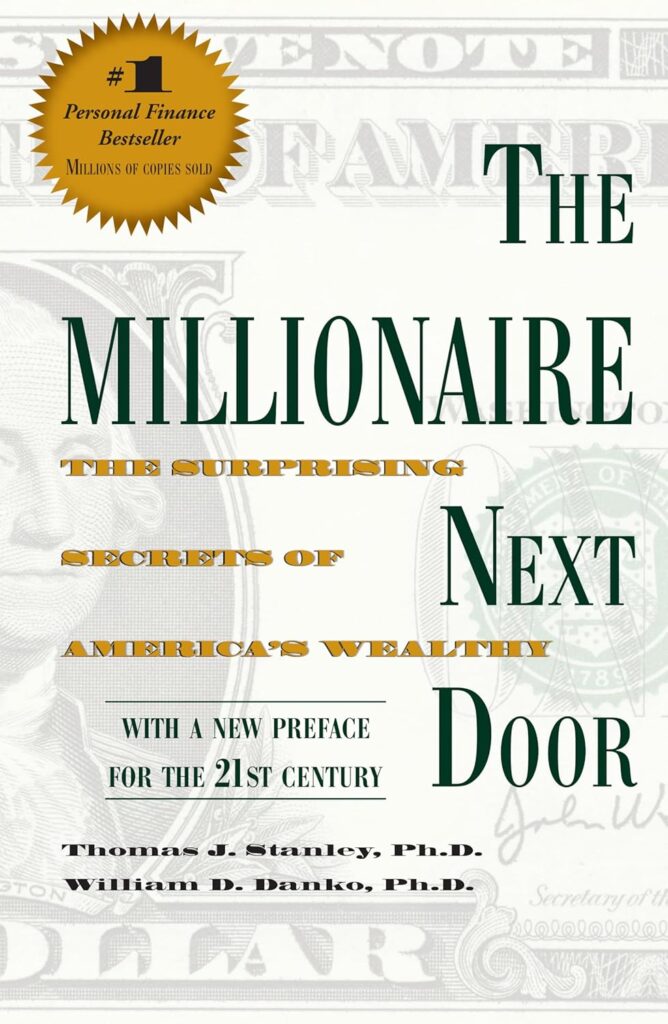
This one might surprise you — because it’s not about flashy millionaires. It’s about the quiet ones who live below their means and build wealth slowly.
You’ll learn how ordinary people become millionaires through discipline, not luck.
Why you should read it: It proves that becoming rich isn’t about your salary — it’s about your habits.
This book dives deep into what real millionaires actually do with their money—and spoiler alert, it’s not what you think. Instead of flashy cars, they prioritize savings, investing, and living below their means.
It introduces powerful financial concepts and emphasizes frugality, consistent saving, and avoiding lifestyle inflation. It’s a timeless reminder that wealth building is about habits, not luck
For anyone serious about growing long-term financial stability, this is one of the best personal finance books you can own.
💡 Related: Learn how to set Financial SMART Goals for Young Adults.
6. Your Money or Your Life by Vicki Robin & Joe Dominguez
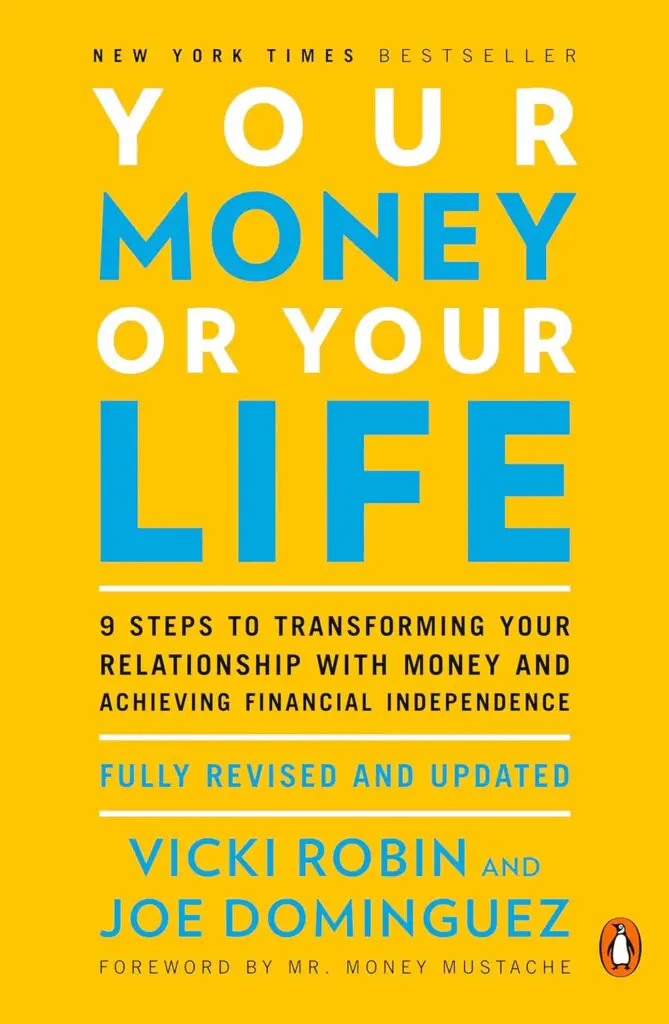
Robin walks you through creating a budget that matches your values, tracking expenses, and finding balance between saving and living.
This book hits deep. It asks you to think about what money really means to you — and how much of your life you trade for it.
Robin challenges you to redefine success, reconnect with your values, and find abundance in simplicity. It includes exercises for goal-setting, tracking your time, and measuring financial progress in meaningful ways.
Transformation: It’s not just about getting rich — it’s about finding peace with your financial life.
It’s one of the few books that connects financial literacy with emotional wellbeing, helping you balance freedom and fulfillment.
7. The Total Money Makeover by Dave Ramsey
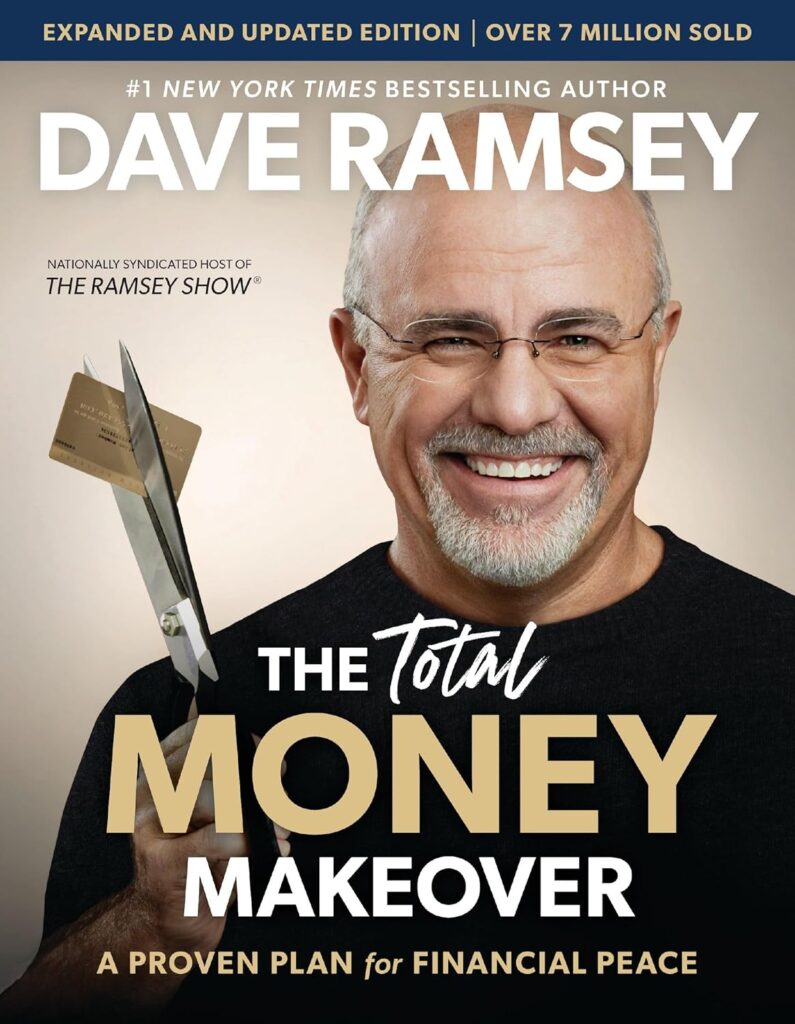
If debt has been haunting you, this book will show you the way out. In 2024, NerdWallet reports average U.S. household credit card debt is $10,815 and interest costs are rising.
Ramsey’s Debt Snowball method (paying off smallest debts first) helps you pay off loans fast by tackling one at a time, giving you motivation as you go.
Why it works: His system is simple and emotional — perfect if you need clear structure and encouragement. It builds confidence fast—it’s exactly what helped me pay off my first credit card.
He covers everything from budgeting to mortgage strategies to building your emergency fund (something I wish I’d known years earlier). It’s easy to read and straight to the point—no fluff, just practical steps.
Also, I’m a huge fan of Dave Ramsey and the Ramsey personalities. Check out the Ramsey Show Youtube Channel for the latest episodes.
💡 Related: See my guide on How to Pay Off Credit Card Debt.
8. The Intelligent Investor by Benjamin Graham (Expanded Study Edition)
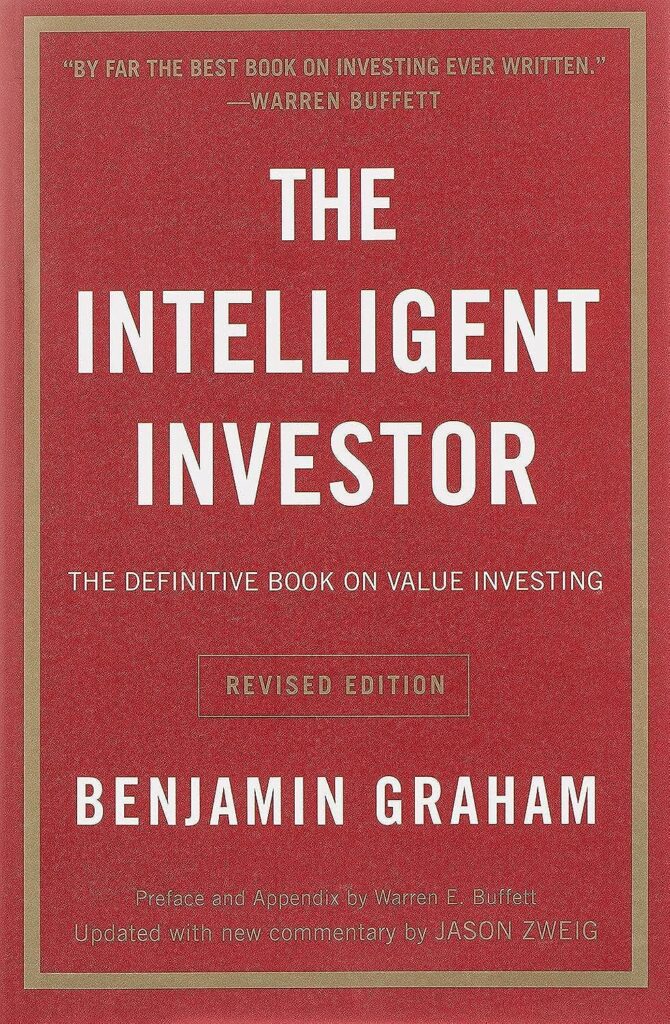
The ultimate investing guide. Graham teaches “value investing” — focusing on long-term growth, not short-term hype.
It’s the foundation of Warren Buffett’s success and even if it’s a bit more advanced, it’s worth studying.
Considered one of the best investing books of all time, this expanded study edition is a must for anyone curious about the stock market or real estate investments.
Why you should read it: It’ll teach you how to invest with confidence and protect yourself from emotional decisions.
Graham teaches you how to think long-term, avoid emotional trading, and build real wealth — lessons that still apply today despite the financial crisis and changing economy.
It’s dense but timeless, and worth revisiting as your confidence grows.
If you’re ready to go beyond saving and into serious investing, this is the book that’ll give you a solid foundation.
9. The Latte Factor by David Bach
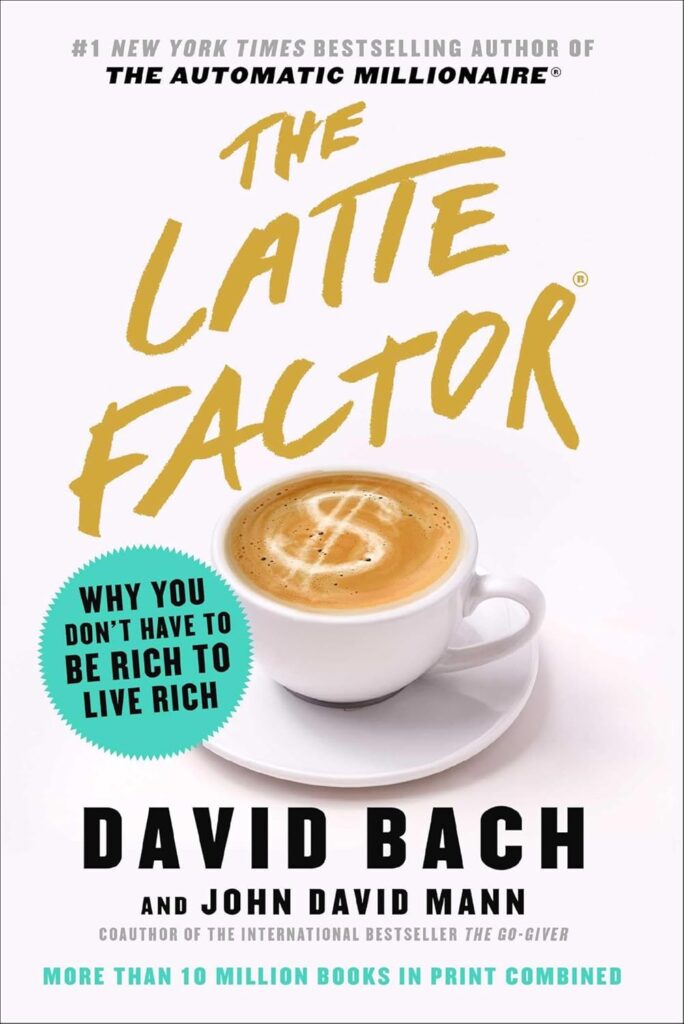
This book blew my mind when I realized how small daily habits affect everything.
Bach shows how skipping a $5 latte (just a few times a week) and investing that money could make you a millionaire. But it’s not about deprivation — it’s about awareness.
Lesson: Every dollar counts when you give it a job.
If you’re ready to set goals that stick, check out 50+ List of Goals To Set For Yourself
10. Broke Millennial by Erin Lowry
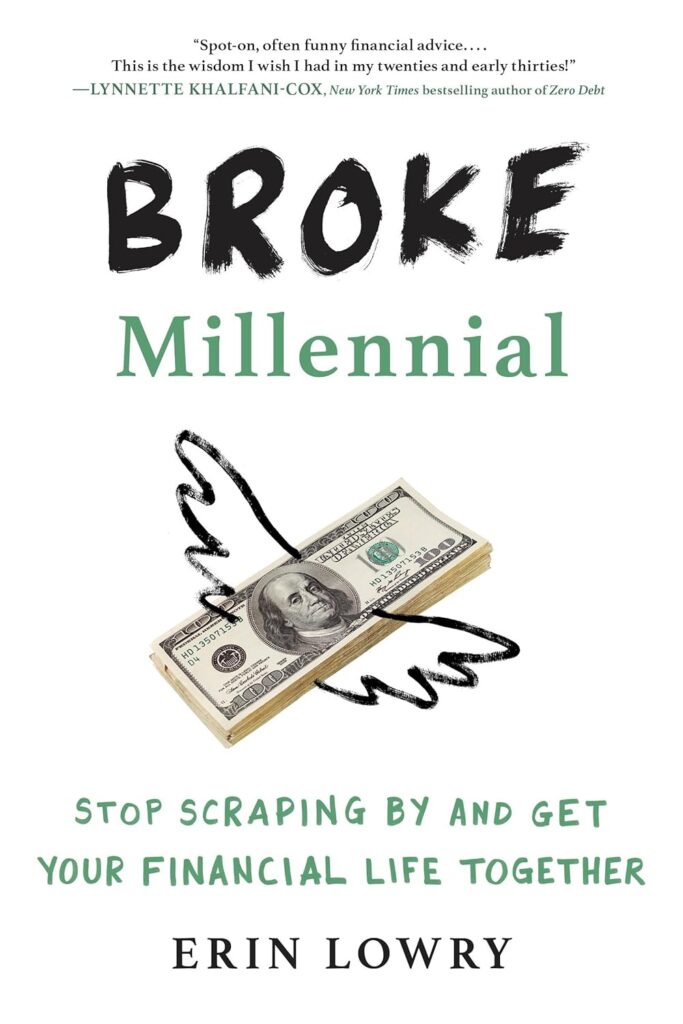
If you’ve ever Googled “how to adult with money,” this one’s for you.
Erin Lowry keeps it real about budgeting, credit cards, and investing — no jargon, no shame.
This one’s perfect if you’re just starting out or feel overwhelmed by adult money stuff like banking, student loans, or splitting rent.
Erin Lowry writes like a friend giving advice over coffee — practical, funny, and packed with tools to help you take control.
Why it’s great: It’s fun to read and genuinely useful, especially if you’re just getting started with personal finance.
She breaks down complex financial concepts like debt repayment, saving, and investing into simple, doable steps.
If you’re tired of being broke (like I once was), this book will get you moving in the right direction fast.
11. The Behavior Gap by Carl Richards
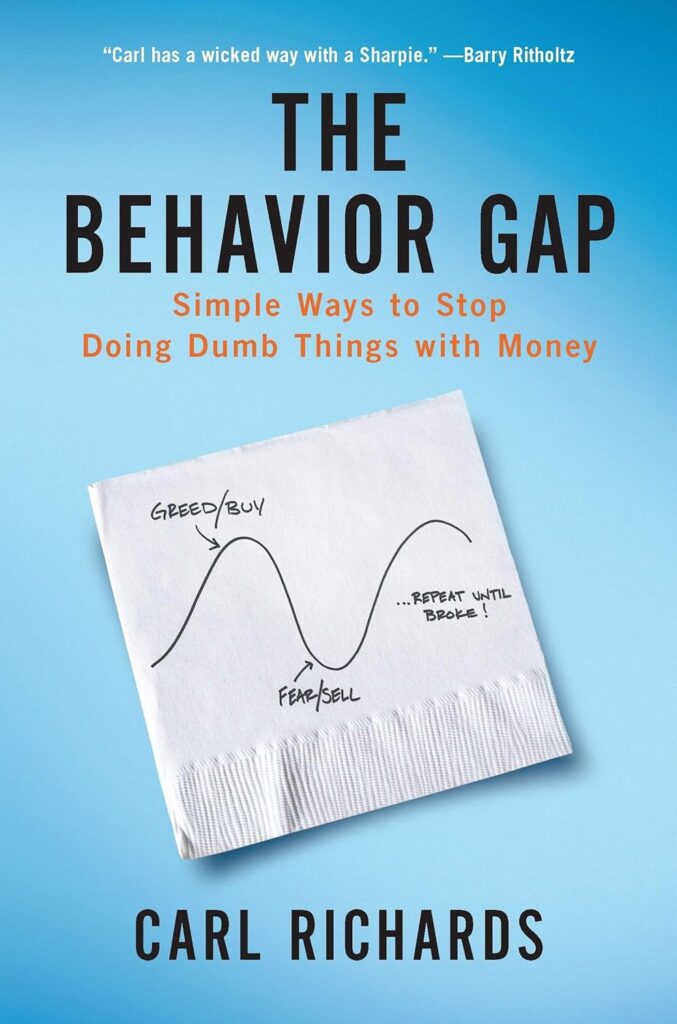
We all know what we should do with money — save, invest, spend wisely — but emotions get in the way.
Carl Richards explains how to close the gap between what we know and what we actually do.
Why it matters: Once you understand your financial behavior, you’ll stop repeating the same mistakes.
12. Smart Women Finish Rich by David Bach
Ladies, this one’s for you. Bach empowers women to take control of their finances — from investing to retirement planning — without waiting for anyone’s permission.
Why you’ll love it: It’s relatable, inspiring, and helps you build financial confidence step by step.
13. The Automatic Millionaire by David Bach
Want to save money without thinking about it? This is your playbook.
Bach shows you how to automate your bills, savings, and investments so you’re building wealth on autopilot.
Why it’s worth reading: You’ll realize getting rich doesn’t require willpower — just smart systems.
14. The Barefoot Investor by Scott Pape
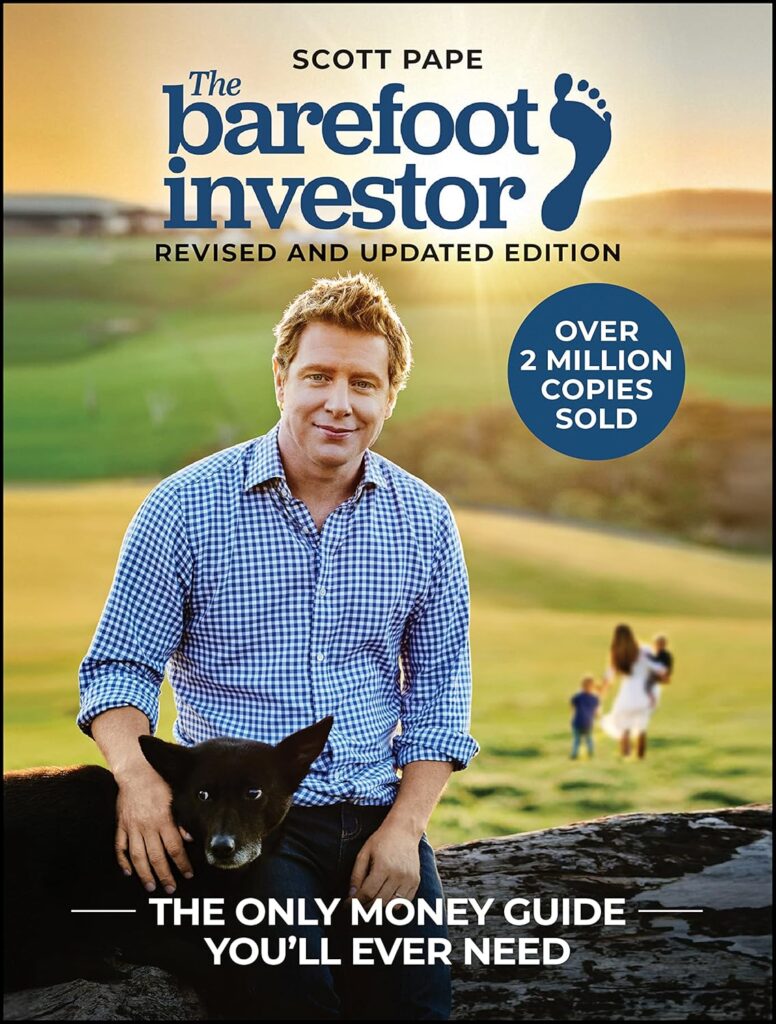
Scott Pape takes personal finance and makes it feel like chatting with a trusted friend.
He helps you organize your accounts, pay off your mortgage, and automate your entire financial life so you can actually enjoy living.
This book is all about taking small, consistent actions that add up — and it’s ideal for beginners who want quick wins.
It’s a personal finance book that’s comforting, practical, and honestly life-changing if you follow through.
15. Financial Freedom by Grant Sabatier
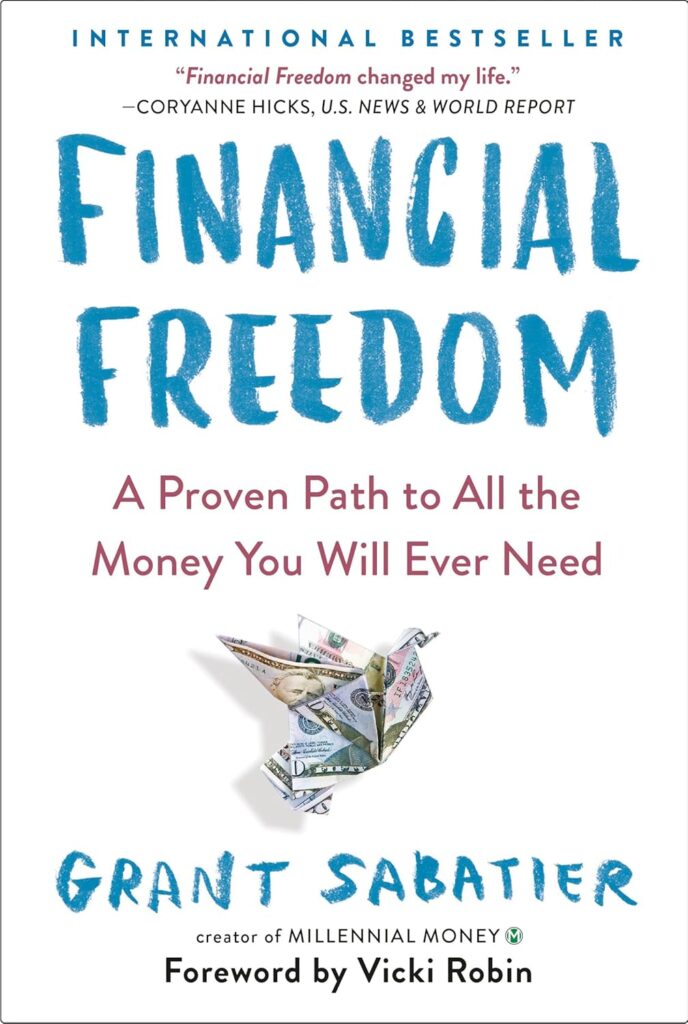
Think of this as the “how to retire early” manual for anyone who’s serious about escaping the 9-to-5 grind.
Sabatier walks you through side hustles, investing strategies, and simple ways to build wealth faster than traditional retirement plans.
Why it’s inspiring: It shows that financial independence isn’t a dream — it’s a plan.
Where to Find These Books
You can find all of these on Amazon, Audible, and Kindle Unlimited. If you prefer free options, check your local library or apps like Libby — many have digital copies available.
For honest reviews, head to Reddit’s r/personalfinance thread, “Best personal finance books that actually changed your life.” It’s full of real readers sharing what worked for them.
Whether you think you can, or think you can’t, you’re right – Henry Ford
How to Organize Your Financial Learning Journey
Here’s how to apply what you read so the lessons actually stick:
- Start with one book. Don’t try to read them all at once — pick whichever speaks to your current goals.
- Take notes. Summarize what stands out and reflect on how it applies to your life.
- Implement weekly. Each Sunday, take one action from what you’ve learned — maybe start a budget, open an investment account, or review your banking setup.
- Track your wins. Small victories (like saving your first $500) will keep you motivated.
Learning to manage money is like learning a language — consistency beats speed every time.
A 2024 academic study from Cornell University found that financial literacy education had a measurable positive effect on people’s overall financial health.
❓ FAQ: Personal Finance + Investing Basics
Final Thoughts on Best Books for Personal Finance
Every single one of these books has the power to change your life — if you let them. You don’t need to read them all at once. Start with one that speaks to where you are right now.
When I first picked up Rich Dad Poor Dad, I was broke and clueless. But those pages gave me hope — and a plan. The more I learned, the more confident I became.
You can have that same transformation. These aren’t just money books; they’re life books. You’ll be amazed at how much confidence and clarity you’ll gain by simply taking the first step toward financial freedom. Once you understand your money, you feel empowered. You stop fearing bills, you plan for your future, and you start building the financial life you deserve.
So, grab a coffee, pick one, and get started. Your future self will thank you.
Choose one of these books today — borrow it, buy it, or grab the audiobook — and commit to reading one chapter this week.
RELATED POSTS:
- Financial Planning Tips: How to Create a Financial Plan That Supports Your Goals
- 9 Rich People Habits That Can Change Your Life
- Most Common Debt Traps To Avoid If You Want Financial Freedom!
Pin or Save it for later
I hope you found this post helpful. Please share it, Bookmark this page or Pin this image to Pinterest to access it later!